
Why Does My Basement Flood During Heavy Birmingham Rain?
A basement that floods every time it rains hard has a specific, findable cause. It's rarely just bad luck.
By the Birmingham Apex Plumbing team.
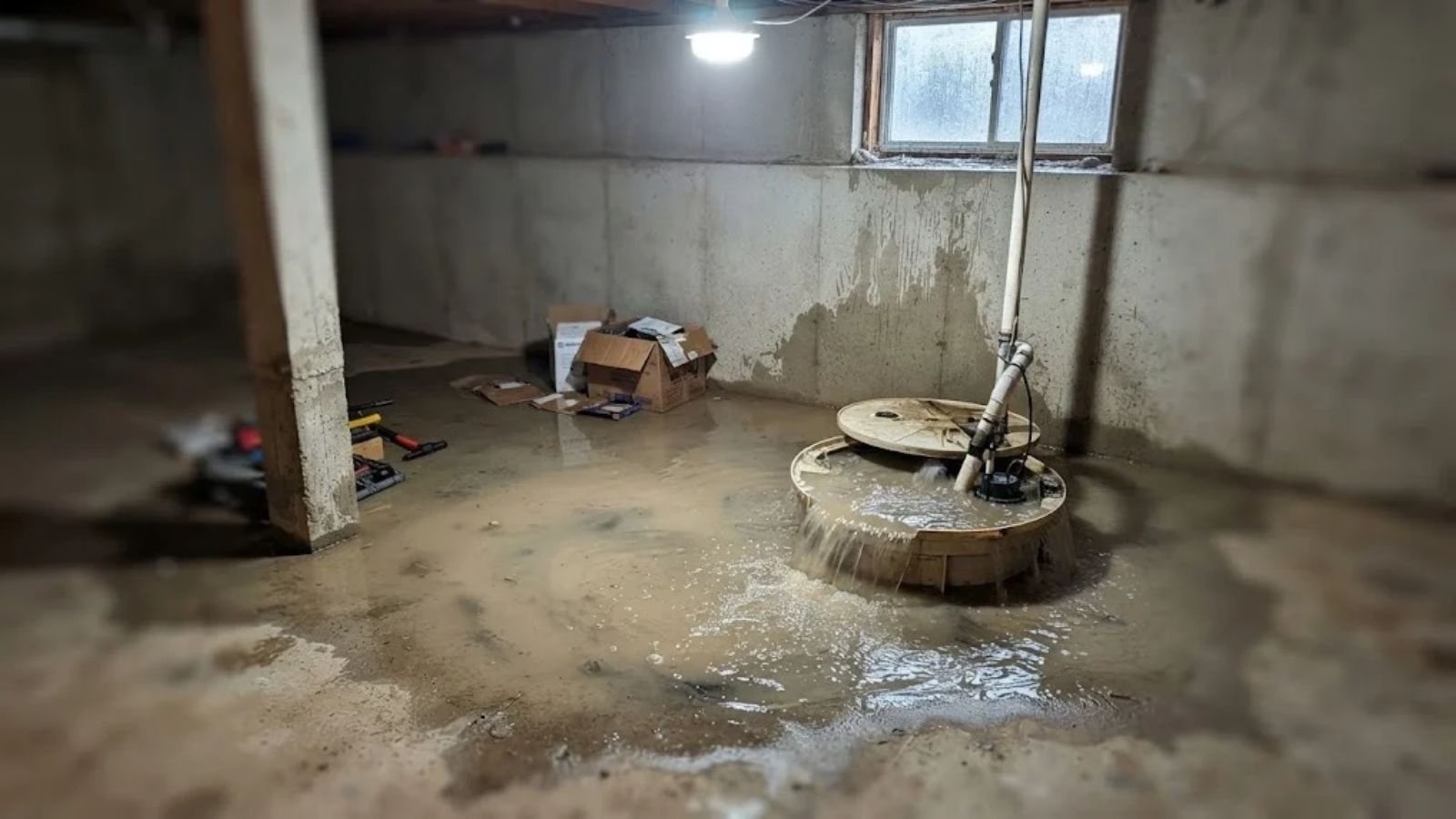
Birmingham's heaviest rain months bring real volume in a short window, and a basement that's handled dry weather fine for years can suddenly show a problem the first time a storm actually tests it. The good news is that basement flooding almost always traces to one of a small number of causes, each with a different fix, rather than being a mysterious or unsolvable problem.
Grading and drainage around the foundation
Water pools against the foundation when the ground slopes toward the house instead of away from it. Gutters that dump water right at the foundation, rather than routing it several feet away through extensions, make this worse. This is often the cheapest cause to fix, since regrading soil or adding downspout extensions costs far less than most other basement water solutions, and it's worth ruling out first before assuming a bigger problem.
A sump pump that isn't handling the load
A home with a below-grade basement in an area with a high water table depends on a working sump pump during heavy rain. A pump that's undersized for the actual water volume, one that's failed outright, or one without battery backup during a storm-related power outage all lead to the same result: water in the basement exactly when the pump was needed most. Sump pump installation and repair addresses this directly, and a battery backup specifically covers the scenario where the power goes out during the same storm that's already testing the pump.
Foundation cracks or porous walls
Water finds its way through hairline cracks in a foundation wall, or seeps through porous concrete block under enough hydrostatic pressure, even without an obvious visible crack. This cause often looks different from the other two: damp walls or a musty smell without standing water on the floor, rather than an obvious puddle. Basement waterproofing - interior drainage systems and wall sealing - addresses this specific cause, and it's often paired with sump pump work rather than used as a stand-alone fix.
| What you see. | Likely cause. | What helps. |
|---|---|---|
| Water pools near the foundation before entering. | Grading or gutter drainage. | Regrading, downspout extensions. |
| Water rises from the floor, especially near a drain. | Sump pump not keeping up. | Sump pump repair or upgrade. |
| Damp walls, musty smell, no obvious puddle. | Foundation seepage. | Interior drainage, wall sealing. |
| Flooding only during power outages. | Sump pump lacks battery backup. | Add a battery backup system. |
Why some neighborhoods see this more
Homes in Vestavia Hills, built along the sloped terrain near Shades Mountain, see basement and crawlspace water issues more often than homes on flatter ground elsewhere in this coverage area. Grading and drainage that weren't built to modern standards decades ago are a common root cause in these older, hillside properties, on top of whatever a specific home's sump pump or foundation condition contributes separately.
Why guessing wastes money
Waterproofing a foundation wall doesn't help if the actual cause is a failing sump pump, and replacing a sump pump doesn't help if the actual cause is grading sending water toward the foundation in the first place. A technician assesses the specific pattern instead: where water enters, when it happens relative to the rain starting, whether it's tied to power outages. That identifies the real cause before recommending a fix, rather than starting with the most expensive option and hoping it happens to solve the problem.
When more than one cause is at play
Older homes, especially ones that have had water issues for years without a full diagnosis, often have more than one contributing cause layered together. A home might have both a grading problem sending extra water toward the foundation and a sump pump that's undersized for that added volume, meaning fixing only one leaves the other cause still producing occasional flooding during the heaviest storms. Addressing the full picture at once, rather than chasing one symptom at a time, is usually more cost-effective in the long run.
Cleanup steps that actually matter
Standing water should be removed as quickly as possible, since prolonged contact with flooring and drywall is what turns a manageable event into a much larger repair. A wet/dry shop vacuum handles small amounts effectively; a genuine flood calls for professional extraction equipment instead. Running fans and a dehumidifier afterward helps dry the space fully, since residual moisture left in wall cavities or under flooring is exactly what leads to mold growth days or weeks later, well after the original flooding is long forgotten.
What changes after the first flood
A basement that's flooded once is statistically more likely to flood again unless the actual cause gets addressed, not just the visible water. Waiting to see if it happens again before investing in a fix usually means dealing with the same cleanup, and the same accumulating damage to stored items and finished space, every time it rains hard enough. A single diagnostic visit after the first flood is almost always cheaper across a few years. That beats repeating the same cleanup process storm after storm, year after year, without ever finding real, lasting relief. The cleanup happens by hand, one storm at a time, for as long as the underlying cause remains unaddressed.
A short conversation with a technician now saves a lot of frustration later, and money too, over the long run for the whole household living there day to day, week after week.
- Note whether water enters from the floor, a wall, or pools outside first before coming in.
- Check if the sump pump is actually running during active rain.
- Move anything stored directly on the basement floor to higher ground if flooding starts.
- Photograph any water and affected items for insurance documentation.
Common questions
Is basement flooding covered by homeowners insurance?
It depends on the cause. Sudden damage from a pump failure is sometimes covered, while damage from gradual seepage or a flood event often isn't without separate flood insurance. Checking specific policy language matters here.
Can I fix grading and drainage myself?
Regrading soil away from the foundation and adding downspout extensions are reasonable DIY projects for a comfortable homeowner. Interior drainage systems and sump pump work are best left to a professional.
How do I know if I need a bigger sump pump rather than just a repair?
If the existing pump runs constantly during heavy rain but still can't keep the basement dry, that's usually a capacity issue rather than a repair issue, and a technician can size a replacement to the home's actual water volume.
Serving greater Birmingham, AL
Have a plumbing question of your own?
Call and describe what you're seeing - a real technician can usually tell you what's going on before ever stepping through the door.
Call (855) 575-2890