
Water Heater Installation & Replacement in Birmingham, AL
Sometimes a repair no longer makes sense - a tank past 10-12 years old, a shell leak, or an undersized unit for the household. Installation is sized to the home and the water conditions across Birmingham, not just swapped in at the same capacity.
Response time is confirmed on the call itself.
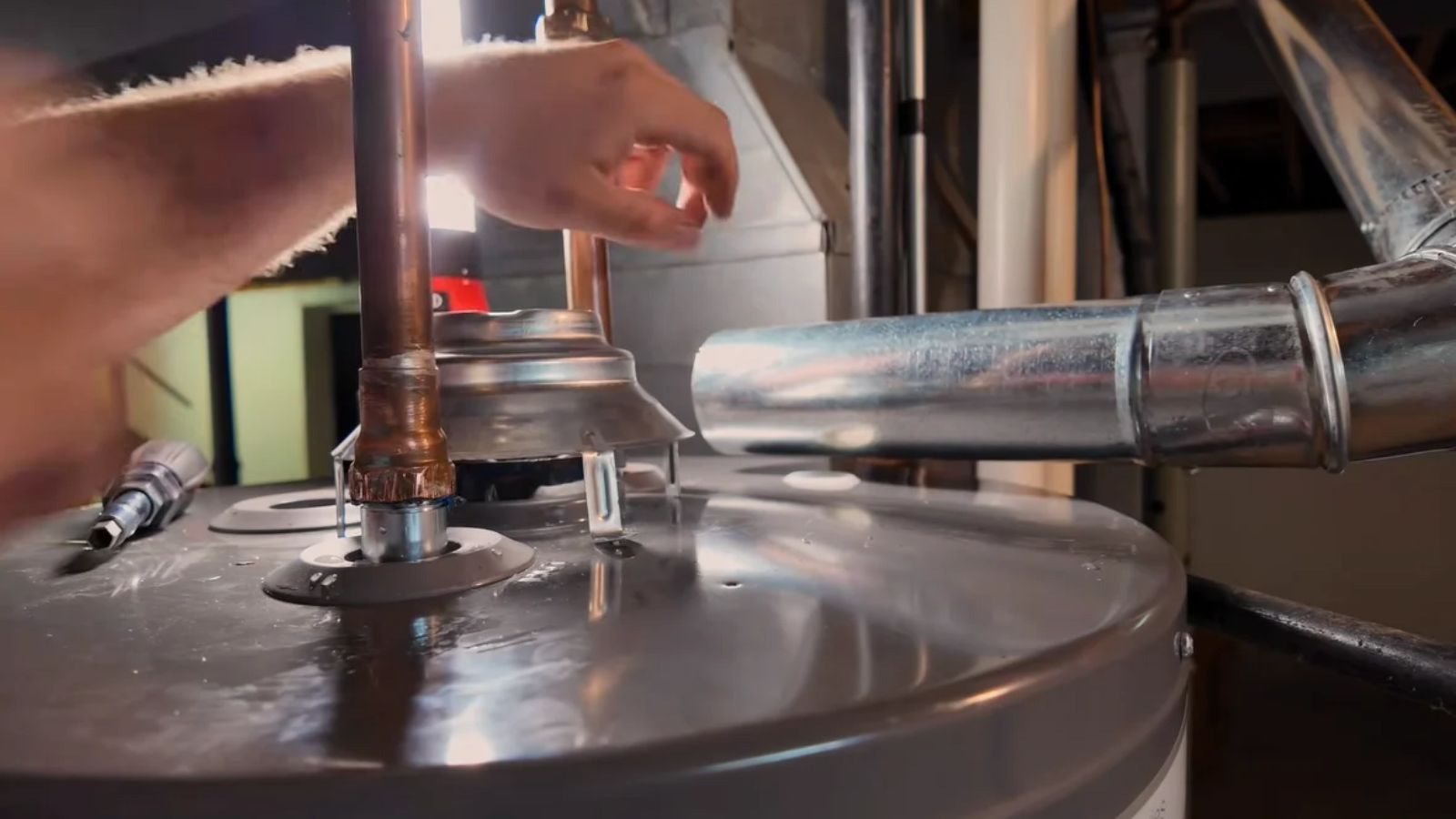
Water heater replacement in Birmingham usually comes up in one of two ways: an existing tank has started leaking or has been repaired more than once in the last year, or a household has simply outgrown its current unit. Because the Birmingham Water Works Board's water runs hard, a replacement is a reasonable point to consider a larger tank with more insulation and a longer warranty. It's also worth considering a tankless unit that sidesteps standing-tank scale buildup entirely, discussed on the tankless water heater service page.
Sizing matters more than brand. A 40-gallon tank that struggles to get a family of four through back-to-back showers is undersized for the household, not failing - and installing the same size again just repeats the complaint in a few years. Recovery rate (how fast the tank reheats between uses) matters as much as raw gallon capacity for a household that runs the dishwasher and a shower close together. That's why sizing is discussed against actual usage patterns rather than bedroom count alone.
What a proper installation covers
A full installation includes removing and disposing of the old unit. It also includes correcting any code issues with the existing connections (expansion tank, T&P relief valve routing, venting on gas units), and setting the new unit level and strapped where required. A leak check under full pressure comes before the job is called done. Alabama's state building code adopts the International Plumbing Code (IPC) as its plumbing standard, and an installation is done to that code's current requirements, not to whatever was standard when the original unit went in years ago. On a gas-to-electric or tank-to-tankless swap, the scope also includes the gas line, venting, or electrical circuit changes that come with switching heat sources - those aren't optional add-ons, they're part of doing the swap correctly.
What drives the price
- Tank size and type - standard tank, high-recovery tank, or tankless.
- Fuel source changes - switching gas to electric or adding a tankless gas line changes the scope significantly.
- Code corrections on the existing setup - an older install often needs an expansion tank or updated venting to meet current code.
- Removal and disposal of the old unit.
- Access - an attic or crawlspace unit takes longer than a garage or closet install.
Free estimates apply to installation and replacement work - a technician can quote the job on-site before anything is ordered. Call (855) 575-2890 Pricing is confirmed before anything is scheduled.
Why the cheapest tank isn't always the cheaper option
A basic 6-year-warranty tank and a 10-year-warranty tank of the same size often cost close to the same to install, since labor is the larger share of the job either way. The longer-warranty unit typically ships with a thicker anode rod and more insulation, both of which matter more in hard-water conditions than in a soft-water market. Given how much scale buildup shortens a tank's working life here, the warranty length is worth weighing against the small difference in unit cost rather than defaulting to the cheapest option on the shelf.
- Have the age of the current unit ready - it's usually printed on a sticker on the tank.
- Note how many bathrooms and people are using hot water at once, if demand has changed.
- Decide whether a fuel-source change (gas to electric, tank to tankless) is worth discussing.
- Clear access to the unit - attic pull-downs and crawlspace hatches slow down a same-day install.
Common questions
How do I know if I need a repair or a full replacement?
A tank under 8 years old with a single failed part is usually worth repairing. A tank past 10-12 years, one that has needed more than one repair in the last year, or any tank leaking from the shell itself is generally more cost-effective to replace.
What size water heater does a typical Birmingham home need?
It depends on household size and fixture count rather than home size alone - a technician sizes the replacement to actual hot-water demand (number of bathrooms, simultaneous use) rather than just matching the old tank's capacity.
Do you install tankless water heaters?
Yes, including the gas line, venting, or electrical work that a tank-to-tankless conversion typically requires. See the tankless water heater service page for what descaling and maintenance looks like afterward.
Is a permit required for water heater replacement in Jefferson County?
Plumbing work performed for the public in Alabama requires certification through the Alabama Plumbers and Gas Fitters Examining Board, and permit requirements are confirmed against current Jefferson County rules before work begins.
Can the new unit go in the same spot as the old one?
Usually yes, which keeps the job simpler and less costly. Relocating a unit - for example moving a tank from a closet to the garage to make room for a tankless retrofit - adds plumbing, venting, and sometimes electrical runs to the job.
Serving greater Birmingham, AL
Water Heater Installation & Replacement in Birmingham, done right.
Upfront pricing, real dispatch, licensed-trade technicians.
Call (855) 575-2890