
Sump Pump Installation & Repair in Birmingham, AL
A basement or crawlspace taking on water during a heavy Birmingham downpour is treated as an emergency call. It's not something that should wait until tomorrow.
Response time is confirmed on the call itself.
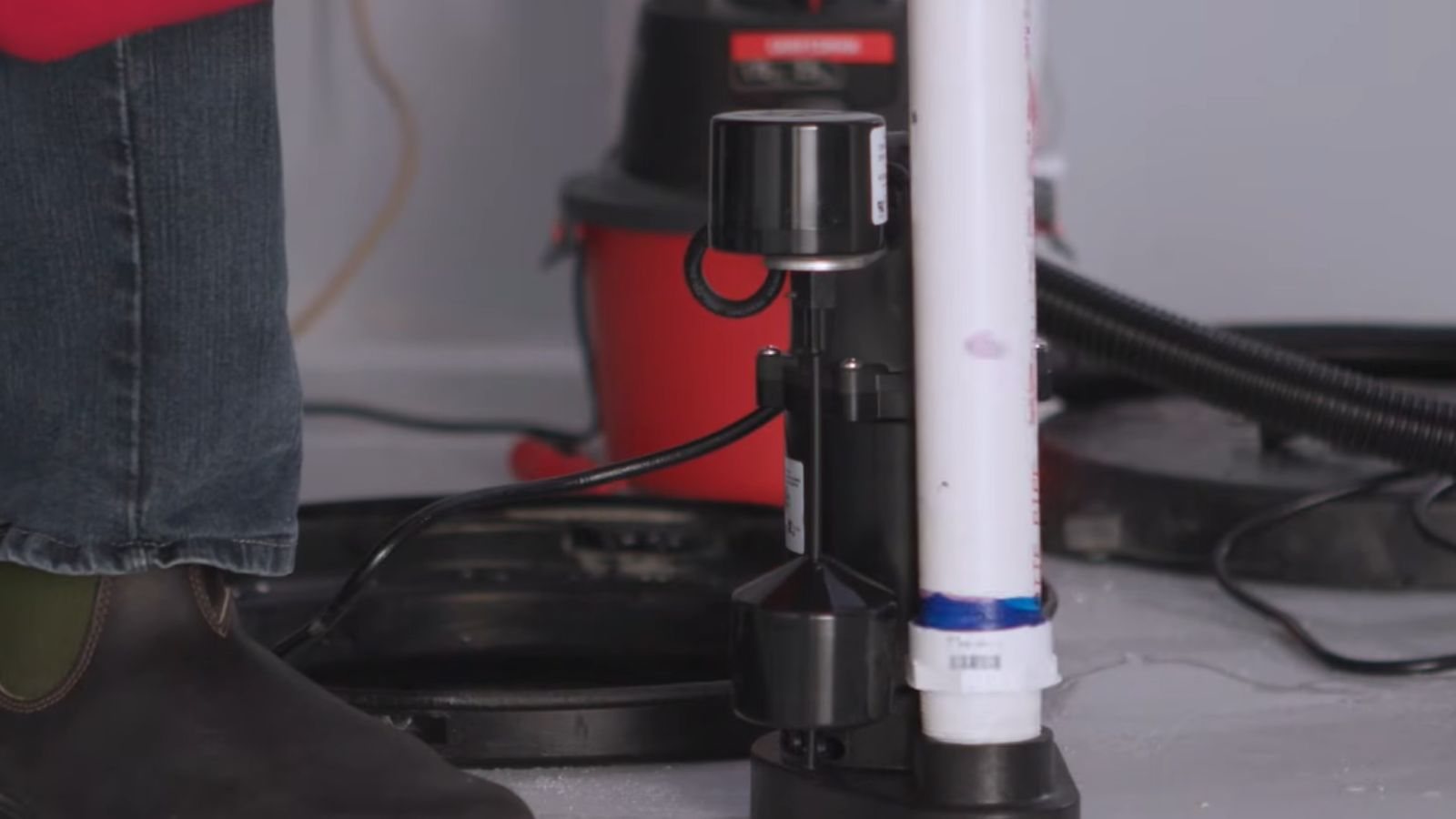
Most calls about this describe water coming up under the floor, a basement that floods every time it rains hard, or a pump that runs constantly but the water level doesn't seem to drop. That's a sump pump problem, whether the home already has a pump that's failing or has never had one installed at all.
Birmingham averages roughly 4.5 inches of rain in a typical month, with heavier bursts common in late winter and spring, and homes with a basement or a crawlspace below the water table are the ones most exposed to it. A sump pump sits in a pit at the lowest point of the foundation and switches on automatically once water reaches a set level, pumping it out through a discharge line before it can rise into the living space.
A pump that runs constantly without lowering the water level, one that has gone silent during an active storm, or a pit that fills faster than the pump can keep up are all signs of trouble. The pump may be undersized, failing, or have lost its check valve, which lets pumped water flow back into the pit. Any of those, during active rain, is worth an emergency call rather than waiting it out.
New installation and battery backup
A new installation includes sizing the pump to the basin and the home's actual water intrusion, not just the cheapest unit on the shelf. It also includes routing the discharge line away from the foundation so it doesn't just recirculate back in, a requirement under the International Plumbing Code (IPC) that Alabama's state building code adopts, and installing a check valve to stop backflow between pump cycles. A battery backup unit is worth discussing for any basement with finished space below grade, since the storms most likely to overwhelm a sump pump are also the ones most likely to knock out power.
What drives the price
- New installation versus replacing an existing pump in place.
- Pump capacity needed for the basin size and typical water volume.
- Battery backup or water-powered backup, for basements at higher risk during power outages.
- Discharge line routing, if the current line dumps water too close to the foundation.
- Emergency dispatch during active flooding.
Want your real number? Call (855) 575-2890
A basement that stays damp between storms even with a working sump pump is often a broader moisture problem rather than a pump issue alone - see basement waterproofing for the interior drainage side of that.
Testing before the rainy season
Late winter and spring bring Birmingham's heaviest rainfall, which is also when a pump that's been sitting idle since last year's storms is most likely to fail exactly when it's needed. A short test - pouring several gallons of water into the pit and confirming the float switch triggers the pump and the water actually drains - takes a few minutes and catches a seized motor or a stuck float well before an actual storm does.
- Check whether the pump is running at all during active rain.
- Note whether water level in the pit is rising, holding steady, or dropping.
- Move anything stored directly on the basement floor away from the affected area.
- Avoid running additional water (laundry, dishwasher) into the system until the pump is checked.
Common questions
How do I know if my sump pump is failing versus just undersized?
A pump that runs constantly during moderate rain but never lowers the water level is usually undersized for the volume it's handling. A pump that doesn't turn on at all, or runs but pumps no water, has typically failed outright.
Do I need a battery backup sump pump?
It's worth it for any basement with finished living space or valuable storage below grade, since heavy storms are also the most common cause of power outages - exactly when a pump is needed most.
How often should a sump pump be tested?
A quick test (pouring a bucket of water into the pit to confirm the pump activates and drains it) before the rainy season each year catches most failures before they matter.
Is sump pump repair covered by homeowners insurance?
Coverage varies by policy and is worth confirming directly with your insurer; sudden water damage from a pump failure is sometimes covered while the pump repair itself often is not.
What's the difference between a primary and a backup sump pump?
A primary pump runs on household power and handles day-to-day water. A backup (battery or water-powered) takes over specifically when the primary fails or the power goes out, which is exactly when a basement is most at risk.
Serving greater Birmingham, AL
Sump Pump Installation & Repair in Birmingham, done right.
Upfront pricing, real dispatch, licensed-trade technicians.
Call (855) 575-2890